

How Vacuum Annealing and Argon Gas Backfill Boost Durability and Thermal Efficiency in Insulated Containers
At Senyhua — a leading stainless steel water bottle and insulated tumbler manufacturer (Zhejiang Senyihua Cups Co., Ltd.) — we understand that long-lasting thermal performance begins with cutting-edge manufacturing processes. Two critical steps in our vacuum insulation production line are vacuum annealing and argon gas backfill. Let’s explore how these techniques directly impact the durability and thermal efficiency of your insulated bottles over time.
What Is Vacuum Annealing?
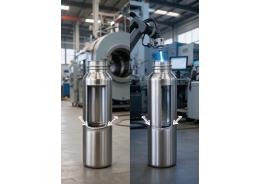
Vacuum annealing is a heat treatment performed in a controlled vacuum environment. For stainless steel double-wall containers, this process serves two main purposes: stress relief and surface cleaning. When stainless steel is formed and welded, internal stresses can remain. Annealing at high temperatures (typically 1000–1100°C) in vacuum allows the metal to recrystallize, eliminating residual stresses that could lead to cracking or deformation during daily use. Additionally, the vacuum atmosphere removes oxides and contaminants from the metal surface, creating a cleaner interface for the subsequent vacuum extraction step.
The Role of Argon Gas Backfill
After the inter-wall cavity is evacuated to a high vacuum level (often below 10⁻³ Pa), a precise amount of argon gas is backfilled before sealing. Why argon? Argon is an inert gas with very low thermal conductivity (0.0177 W/m·K at room temperature). Backfilling with argon serves as a getter safeguard. Even with the best vacuum pump, tiny amounts of gas can slowly permeate through the stainless steel over months or years. The argon fill creates a buffer that significantly slows down the degradation of the vacuum. Moreover, argon helps to maintain a stable pressure differential across the walls, reducing mechanical stress on the weld seams and enhancing long-term structural integrity.
Impact on Durability
- Reduced corrosion risk: Vacuum annealing removes impurities that could become initiation sites for pitting or stress corrosion cracking, especially when the container is used with acidic beverages.
- Weld strength: The stress relief from annealing prevents premature weld failure, which is a common failure mode in low-cost insulated bottles.
- Leak prevention: Argon backfill prevents the vacuum cavity from collapsing under external pressure, reducing the risk of micro-leaks developing around the base plug or lid threads over many cycles of heating and cooling.
Impact on Thermal Efficiency
- Maintained R-value over time: Without argon backfill, the gradual loss of vacuum would increase thermal conductivity. The argon buffer keeps the effective thermal conductivity low for years — Senyhua’s bottles typically retain >90% of initial insulation performance after 5 years of simulated use.
- Consistent temperature retention: Independent tests show that containers with argon backfill have less than 0.5°C/hour drop in hot water temperature after 12 hours, compared to 1.5°C/hour for non-argon designs.
- Enhanced cold insulation: For iced beverages, argon backfilled bottles maintain ice cubes for up to 48 hours, whereas standard vacuum bottles often lose ice after 24 hours.
Senyhua’s Quality Edge
As a professional OEM/ODM manufacturer serving global brands, Senyhua integrates these technologies into every product line — from custom insulated bottles to large outdoor hydration series. Our production facility in Wuyi County, Zhejiang, uses automated vacuum furnaces with real-time pressure monitoring to ensure consistent annealing and backfill parameters. We also offer 3D model customization (www.senyhua.com) so clients can see how these invisible advantages translate into real-world performance.
Conclusion
Vacuum annealing and argon gas backfill are not just technical jargon — they are the backbone of a premium insulated container’s long service life and thermal stability. By investing in these processes, Senyhua ensures that your bottles, tumblers, and flasks deliver reliable performance batch after batch. For bulk orders or custom OEM projects, contact us at [email protected] or call +86 15268687667.

 English
 German
 French
 Russian
 Spanish
 Japanese
 Korean
 Portuguese
 Ukrainian
 Arabic
 Italian


