

How to Test and Verify the Claimed Insulation Performance of a Vacuum Flask
Vacuum flasks are essential in our daily lives to keep beverages hot or cold for extended periods. But how can you test and verify the claimed insulation performance of a vacuum flask to ensure that it meets your expectations? Here’s a practical guide for you.
Why Insulation Performance Matters
The insulation performance of a vacuum flask determines how effectively it can retain the temperature of liquids. It is crucial for people who rely on their flasks for maintaining the temperature of drinks during long commutes or outdoor activities.
Steps to Test and Verify Insulation Performance
1. Prepare Your Tools
To test the insulation performance, gather the following:
- A thermometer (preferably digital for accuracy)
- Hot or cold water
- A timer or stopwatch
2. Measure Initial Temperature
Pour hot or cold water into the vacuum flask and measure its initial temperature using the thermometer. Note this as the starting temperature.
3. Record Temperature Over Time
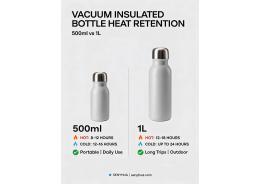
Seal the flask properly and let it sit undisturbed for a period of 6–12 hours. Measure the water temperature at regular intervals to determine how well the flask retains heat or cold.
4. Compare Claimed vs. Measured Results
Review the manufacturer’s specifications on insulation performance. Compare the rate of temperature change observed during your test to the claims made by the brand.
Importance of Quality Materials in Vacuum Flasks
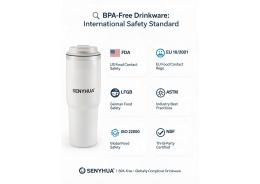
Premium vacuum flasks often feature high-grade stainless steel and advanced vacuum insulation technology, which play a significant role in optimizing thermal performance. Companies like Senyhua specialize in developing high-quality flasks designed for maximum insulation efficiency.
Conclusion
Verifying the insulation performance of a vacuum flask is straightforward when you follow these steps. By choosing high-quality products from reputable brands like Senyhua, you can ensure optimal thermal retention for your beverages.


 English
 German
 French
 Russian
 Spanish
 Japanese
 Korean
 Portuguese
 Ukrainian
 Arabic
 Italian


