

Understanding Production Lead Times: Large Volume Orders vs. Small Quantity Custom Orders
When it comes to manufacturing, production lead times can vary significantly depending on the nature of the order. Whether you’re placing a large volume order or a small, custom-made quantity, it’s essential to understand the factors that influence the time it takes to deliver your final product. At Senyhua, a leading provider of customized manufacturing solutions, we strive to accommodate a diverse range of order sizes while maintaining efficiency and quality.
Production Lead Times for Large Volume Orders
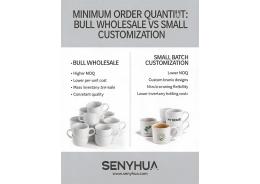
Large volume orders typically involve the mass production of standardized items. These orders benefit from streamlined processes, economies of scale, and a pre-defined workflow. Once the initial design and tooling phases are complete, the production line operates at maximum efficiency, significantly reducing the per-unit production time. However, due to the sheer size of the order, the overall lead time can still be lengthy. Factors such as raw material availability, production capacity, and supply chain logistics often influence the timeline.
Production Lead Times for Small Quantity Custom Orders
Small quantity custom orders, on the other hand, focus on tailored designs and specific customer requirements. While the order size is smaller, the production process may take longer due to the need for detailed customization, prototyping, and potential design revisions. Flexible production lines and skilled craftsmanship are typically required to meet these demands, which might prolong the lead time. However, the end result is a unique, high-quality product that meets the precise specifications of the customer.
Key Factors Affecting Lead Times
- Design Complexity: Custom orders often involve intricate designs and extended approval cycles, whereas large volume orders benefit from standardized designs.
- Material Availability: For both types of orders, delays in sourcing raw materials can impact production timelines.
- Production Line Setup: Large orders typically ensure uninterrupted production, while custom orders may need specialized equipment adjustments.
- Quality Assurance: Custom orders may require additional quality checks, which could extend lead times compared to bulk production runs.
Why Choose Senyhua for Your Production Needs?
At Senyhua, we prioritize efficiency and customer satisfaction, no matter the size or complexity of the order. Our advanced manufacturing capabilities and experienced team enable us to handle both large-scale and custom projects with precision and care. By leveraging cutting-edge technology and maintaining close communication with our clients, we ensure that every order meets the highest standards of quality and timeliness.
Conclusion
Understanding the differences between production lead times for large volume orders and small quantity custom orders can help you better plan your projects and manage deadlines. Whether you need mass production or unique custom solutions, choosing a reliable manufacturing partner like Senyhua can make all the difference. Visit Senyhua today to learn more about our services and how we can support your production needs.


 English
 German
 French
 Russian
 Spanish
 Japanese
 Korean
 Portuguese
 Ukrainian
 Arabic
 Italian


