

Differences Between 304 and 316 Stainless Steel for Food-Grade Vacuum Bottles
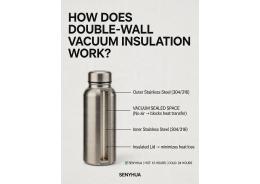
When choosing a food-grade vacuum bottle, the type of stainless steel used is a critical consideration. The two most commonly used stainless steel grades are 304 and 316, each with its own unique properties that make it suitable for specific applications. In this post, we will explore the differences between these two materials, helping you make an informed decision when selecting your vacuum bottle.
1. Composition and Corrosion Resistance
Both 304 and 316 stainless steels are austenitic, meaning they are non-magnetic and known for their excellent corrosion resistance. However, 316 stainless steel contains an added element: molybdenum. This addition enhances its resistance to corrosion, especially against chloride-rich environments like seawater or salty beverages. If your vacuum bottle frequently comes into contact with high-salinity liquids, 316 may be the better choice.
2. Durability and Strength
Both grades exhibit excellent durability and strength, making them suitable for repeated use without deformation. However, 316 stainless steel offers slightly better strength and resistance to wear and tear compared to 304. For consumers seeking a bottle designed for rugged use, 316 is a premium option.
3. Cost
Due to the added molybdenum and the enhanced properties, 316 stainless steel is typically more expensive than 304. If cost is a significant factor and your intended use does not involve exposure to harsh environments, 304 might be a more cost-effective option that still provides excellent performance for everyday use.
4. Food-Grade Safety
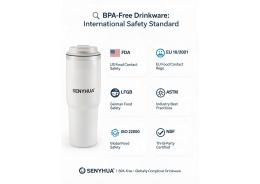
Both 304 and 316 are considered safe for food-grade applications. They do not leach harmful chemicals into beverages, resist bacterial growth, and maintain their integrity under varying temperatures. If you prioritize health and safety in your choice, both options are excellent.
5. Applications
304 stainless steel is commonly found in household kitchenware, thermoses, and water bottles due to its cost-effective balance of properties. On the other hand, 316 stainless steel is often used in high-end products, including medical-grade tools and marine equipment, because of its superior corrosion resistance.
Conclusion
When deciding between 304 and 316 stainless steel for food-grade vacuum bottles, your choice should depend on your intended use and budget. For general everyday use, 304 stainless steel provides excellent value and performance. However, if your vacuum bottle will be exposed to more corrosive environments or you desire a longer-lasting, high-end product, 316 stainless steel is the better option. Explore our premium selection of food-grade vacuum bottles at Senyhua for products tailored to your needs.

 English
 German
 French
 Russian
 Spanish
 Japanese
 Korean
 Portuguese
 Ukrainian
 Arabic
 Italian


