

The Typical Manufacturing Process for High-Quality Stainless Steel Vacuum Flasks
High-quality stainless steel vacuum flasks are widely appreciated for their durability, temperature retention, and stylish designs. The manufacturing process of these flasks involves several precise steps to ensure quality and functionality. In this blog, we will explore the typical process that transforms raw materials into the stainless steel vacuum flasks that many rely on daily.
1. Material Selection
The first step in manufacturing a stainless steel vacuum flask is selecting the best quality materials. Generally, high-grade stainless steel is preferred due to its corrosion resistance and durability. This includes stainless steel types such as 18/8, which contains 18% chromium and 8% nickel.
2. Cutting and Shaping
The selected stainless steel is then cut into the required shapes for the outer and inner layers of the flask. Advanced machinery is used to ensure that these pieces are cut with precision. After cutting, the steel pieces are shaped into cylindrical forms using molding and welding techniques.
3. Forming the Vacuum Layer
One of the key aspects of a vacuum flask is its ability to maintain temperatures, made possible by the vacuum layer between the inner and outer walls. After shaping the steel, the inner flask is placed inside the outer casing, and the space between them is evacuated to create a vacuum. This insulation minimizes heat transfer, keeping liquids hot or cold for extended periods.
4. Assembly
Once the vacuum is established, the flask components, including the lid and any additional features like handles or grips, are assembled. Each component must fit precisely to ensure a secure seal and optimal heat retention.
5. Quality Testing
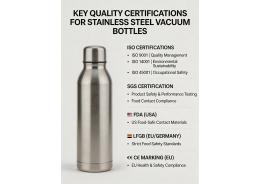
Quality testing is crucial in the manufacturing process, ensuring the flask's durability and performance. Tests typically include checking the vacuum seal integrity and ensuring the flask maintains the required temperature for a set period. Any defects necessitate adjustments or discardment before reaching the market.
6. Finishing & Packaging
After testing, the stainless steel flasks undergo surface finishing treatments such as polishing to enhance their aesthetic appeal. Logos or branding can also be applied at this stage. Finally, the flasks are packaged, ready to be shipped to consumers worldwide.
In conclusion, the manufacturing of high-quality stainless steel vacuum flasks is a robust process that combines precise engineering and rigorous testing to produce a reliable product ready for market use. With the correct methods, these flasks provide excellent performance and longevity, making them a favorite among consumers.


 English
 German
 French
 Russian
 Spanish
 Japanese
 Korean
 Portuguese
 Ukrainian
 Arabic
 Italian


