

Understanding International Safety Standards for Stainless Steel Drinkware
Stainless steel drinkware is becoming increasingly popular due to its durability, sustainability, and aesthetic appeal. However, when purchasing or manufacturing these products, it is essential to ensure compliance with international safety standards. These regulations guarantee that the materials used are safe for consumer use and maintain quality consistency.
Key International Standards Applicable to Stainless Steel Drinkware
Stainless steel drinkware must adhere to several global safety standards, which focus on factors such as chemical composition, food safety, and environmental impact.
- ISO 9001: This is a quality management standard that ensures stainless steel drinkware is manufactured with reliable processes to maintain high-quality standards.
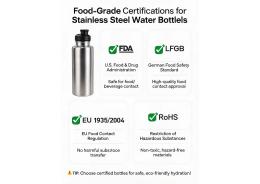
- FDA Compliance: In the United States, stainless steel used for drinkware must meet FDA requirements for materials that come into contact with food and beverages.
- LFGB Certification: In Europe, stainless steel drinkware must meet the LFGB (Lebensmittel- und Futtermittelgesetzbuch) standard, which ensures products are safe for food contact and free from harmful substances.
- EU Food Contact Regulation 1935/2004: This regulation applies to materials and articles intended to come into contact with food within the European Union and ensures safety and hygiene requirements are met.
- RoHS Compliance: Drinkware must also comply with Restriction of Hazardous Substances (RoHS) standards to limit harmful elements like lead and cadmium.
Why Compliance Matters
Meeting international safety standards protects consumers from harmful substances and ensures products meet environmental sustainability goals. Businesses that comply demonstrate their commitment to safety, quality, and regulatory requirements, improving customer trust and global market opportunities.
Conclusion
Stainless steel drinkware must meet safety standards like ISO 9001, FDA, LFGB, and EU regulations. Manufacturers and sellers should prioritize these certifications to ensure product quality, consumer safety, and global compliance.



 English
 German
 French
 Russian
 Spanish
 Japanese
 Korean
 Portuguese
 Ukrainian
 Arabic
 Italian


